
If you’ve ever had a great idea but stalled at the words “I don’t code”, or if you’re a developer tired of fighting setup issues instead of building, you’re exactly who this article is for. The question what is Replit AI has started showing up everywhere because it sits at a rare intersection: artificial intelligence, real software development, and genuine accessibility.
This isn’t another surface-level overview. I’ve spent time using Replit in real projects, watching how beginners and experienced developers approach it differently—and where the magic (and limits) really are. By the end of this guide, you’ll understand not just what ReplitAI is, but how it actually fits into modern building workflows, who it’s best for, where it shines, and where you should be cautious.
We’ll move from beginner-friendly explanations to expert-level insights, real use cases, step-by-step workflows, comparisons with alternatives, and hard-earned lessons most tutorials never mention. Whether you’re a founder, student, content creator, or engineer, this article is designed to help you decide one thing clearly: Is ReplitAI worth using for what you want to build?
What Is Replit AI? A Clear, Human Explanation (Beginner to Expert)
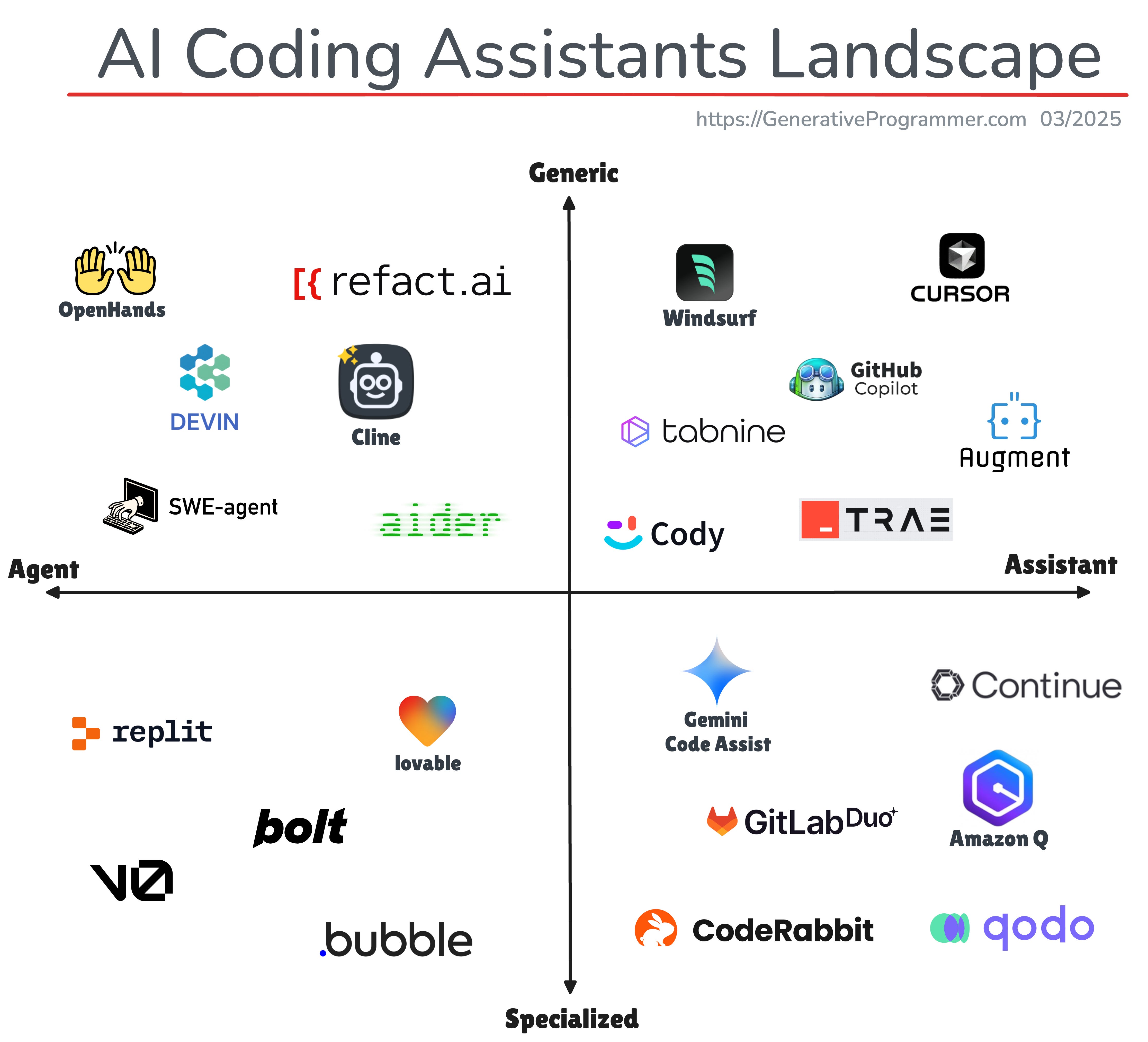
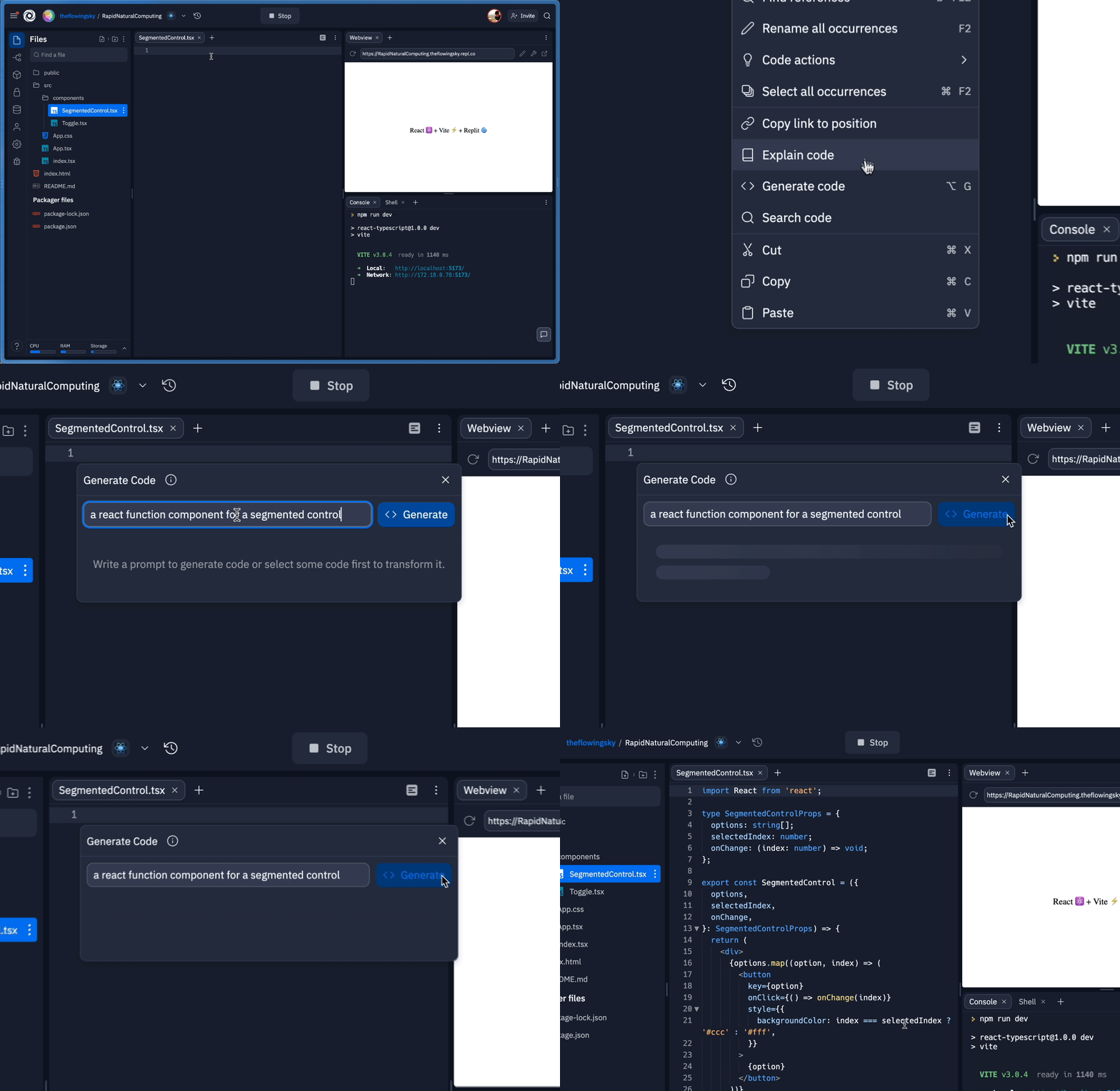
At its core, Replit AI is an AI-powered assistant built directly into Replit, a browser-based development environment. But calling it “just an AI coding assistant” undersells what’s happening here.
Think of Replit AI like a pair-programmer that lives inside your workspace. Not a chatbot you switch to in another tab, and not a rigid autocomplete tool—but something that understands your project context, your files, and your intent as you work.
For beginners, Replit AI feels like a translator. You write what you want in plain English—“build a to-do app with login” or “fix this error”—and the system turns that into functioning code. For experienced developers, it behaves more like a productivity amplifier, handling boilerplate, debugging faster, and speeding up experimentation.
What makes Replit AI different from many AI tools is where it lives. It’s not bolted on after the fact. It’s integrated into:
- Your editor
- Your file system
- Your runtime environment
- Your deployment workflow
That tight integration is the reason Replit AI feels more “hands-on” than generic AI coding tools.
Under the hood, Replit AI uses large language models trained on code and natural language, similar in capability class to systems from OpenAI. But instead of being a general chat interface, it’s optimized for building real, runnable software inside a live environment.
The result is something new: a development experience where writing code, running it, fixing errors, and deploying an app can all happen in one browser tab—with AI guiding the process at every step.
Why Replit AI Matters Right Now (And Why People Are Paying Attention)
Timing matters in technology, and Replit AI is landing at exactly the right moment.
We’re in a world where:
- Software is becoming the backbone of nearly every business
- Non-technical professionals want to build tools, not just use them
- Developers are overwhelmed by complexity, tooling, and context switching
Traditionally, learning to code meant installing languages, configuring environments, and fighting errors before you even built anything useful. That friction excluded a massive group of capable people.
Replit AI removes several of those barriers at once.
From my experience, the biggest shift isn’t technical—it’s psychological. When people realize they can ask for code instead of memorizing syntax, they stop seeing software as a closed club. Replit AI lowers the “activation energy” required to start building.
This matters for:
- Startup founders prototyping ideas fast
- Students learning by doing, not memorizing
- Content creators building tools for their audiences
- Developers who want speed without sacrificing control
In short, Replit AI matters because it compresses the distance between idea and execution.
Key Benefits of Replit AI and Real-World Use Cases
Who Benefits Most from Replit AI?
Replit AI isn’t a one-size-fits-all tool, but it’s surprisingly versatile. The people who benefit most fall into a few clear groups.
Beginners and non-coders
If you’ve never written a line of code, Replit AI acts like a tutor that never gets tired. You can ask why something works, request simpler versions, or explore variations without fear of “breaking” your system.
Intermediate developers
This is where Replit AI really shines. You already understand fundamentals, but you don’t want to waste time on setup, repetitive patterns, or debugging obvious mistakes. Replit AI accelerates your workflow without taking control away.
Educators and students
Because everything runs in the browser, there’s no “it works on my machine” problem. Teachers can share live projects, and students can experiment freely with immediate feedback.
Founders and indie hackers
ReplitAI is excellent for MVPs. You can prototype ideas, test them, and even deploy simple apps without assembling a complex stack.
Real-World Use Cases You’ll Actually See
1. Rapid app prototyping
Instead of spending days scaffolding a project, you can ask ReplitAI to generate a working baseline in minutes—then refine it.
2. Debugging and error explanation
Rather than pasting errors into search engines, ReplitAI explains what went wrong in context and suggests fixes that match your codebase.
3. Learning by modification
One of the most powerful workflows I’ve seen is asking ReplitAI to “rewrite this using a different approach” or “simplify this logic.” That’s learning through comparison, not theory.
4. Automation scripts and internal tools
Need a quick script to process data or automate a task? ReplitAI excels at these practical, everyday problems.
Before ReplitAI, many of these tasks required either deep experience or lots of patience. After ReplitAI, they’re simply faster—and more approachable.
A Step-by-Step Practical Guide: How Replit AI Is Used in Practice
Let’s walk through how ReplitAI fits into an actual workflow, not a marketing demo.
Step 1: Create a Repl (Project)
You start by creating a new “Repl” in Replit. This is your project container, including:
- Language runtime
- File structure
- Execution environment
No installs. No configuration. This alone removes a huge amount of friction.
Step 2: Describe What You Want
This is where ReplitAI changes the game. Instead of starting from a blank file, you can prompt the AI directly inside the editor.
For example:
- “Create a simple Flask app with a homepage and login.”
- “Set up a Node.js API with two endpoints.”
The AI generates runnable code, not pseudocode.
Step 3: Review and Modify (Critical Step)
Here’s a pro tip many people miss: never treat AI output as final.
Read the code. Ask follow-up questions. Request changes. This step turns ReplitAI from a crutch into a collaborator.
Step 4: Run and Debug in Real Time
Because the environment is live, you can run the code instantly. Errors appear immediately, and ReplitAI can explain them in context.
Step 5: Iterate and Deploy
Once you’re satisfied, Replit makes deployment straightforward for small to medium projects. For many use cases, this is enough to go live.
The key insight here is that Replit AI isn’t replacing your thinking—it’s accelerating the loop between idea, execution, and feedback.
Replit AI Tools, Comparisons, and Expert Recommendations
Replit AI vs Traditional Coding
Traditional coding:
- Full control
- Steep learning curve
- High setup cost
Replit AI:
- Faster onboarding
- Guided development
- Slight abstraction from low-level details
In practice, experienced developers often use ReplitAI for speed, then move critical components elsewhere if needed.
ReplitAI vs Other AI Coding Assistants
Compared to standalone tools like GitHub Copilot, Replit AI’s biggest advantage is environment awareness. It understands not just your code, but how it runs.
However, Copilot may feel more powerful for large, production-grade codebases maintained locally.
Expert recommendation:
Use ReplitAI for learning, prototyping, and lightweight production tools. For massive systems, it’s best used as a companion—not the foundation.
Common Mistakes People Make with Replit AI (And How to Fix Them)
Mistake 1: Blind trust in AI output
AI can be wrong. Always review logic, security, and edge cases.
Mistake 2: Not asking “why”
If you only copy outputs, you miss the learning. Ask ReplitAI to explain its decisions.
Mistake 3: Over-engineering early
ReplitAI makes it easy to add features quickly. Focus on core functionality first.
Mistake 4: Ignoring performance and security
Generated code may not be optimized or secure by default. Treat it as a starting point, not a final product.
The people who get the most value from ReplitAI are the ones who stay curious and critical, not passive.
The Bigger Picture: What Replit AI Means for the Future of Building
Zooming out, ReplitAI represents a shift in how software gets made.
We’re moving from a world where:
- Coding is gatekept by tooling complexity
To one where:
- Building is about problem-solving, not setup
That doesn’t mean developers become obsolete. It means their role evolves—from syntax writers to system thinkers.
ReplitAI is part of that evolution. It’s not perfect, and it’s not magic—but it’s a meaningful step toward making software creation more human.
Conclusion: Is Replit AI Worth Using?
If you’re asking what is Replit AI, the real answer is this:
Replit AI is a bridge. A bridge between ideas and execution, beginners and experts, learning and building. It won’t replace deep engineering knowledge—but it dramatically lowers the cost of getting started and staying productive.
If you value speed, accessibility, and an integrated experience, ReplitAI is absolutely worth your time. Used thoughtfully, it can make you a better builder, not a lazier one.
The best next step? Try it with a small project. Ask questions. Break things. Learn fast.
That’s where ReplitAI truly shines.
FAQs
Replit AI is used for generating code, debugging, learning programming, and rapidly prototyping applications inside a browser-based environment.
Yes. It’s one of the most beginner-friendly AI coding tools because it explains code and removes setup barriers.
Absolutely. Many developers use it for fast prototyping, debugging, and experimentation.
Replit offers free access with limits. Advanced AI features typically require a paid plan.
It’s generally reliable for common tasks but should always be reviewed, especially for security-sensitive code.