If you’ve spent any time researching top-tier STEM universities in the U.S., there’s a good chance Stevens Institute of Technology has surfaced more than once. Often it shows up in conversations about engineering rigor, elite career outcomes, or that rare mix of theory-heavy academics and hands-on, industry-aligned learning.
And yet, many prospective students and parents feel unsure.
Is Stevens truly worth the cost?
Does it compete with bigger-name schools?
Is it only for hardcore engineers—or is there room for business, tech leadership, and interdisciplinary careers?
These are valid questions. Choosing a university today isn’t just about prestige; it’s about return on investment, career optionality, and how well a school prepares you for a fast-changing, AI-driven world.
This guide is written for students, parents, career switchers, and international applicants who want more than surface-level rankings. You’ll get a grounded, experience-informed view of Stevens Institute of Technology—how it works, who thrives there, where it excels, and where you need to be strategic. By the end, you’ll know whether Stevens aligns with your goals and how to make the most of it if it does.
What Is Stevens Institute of Technology? From First Principles to Institutional DNA
At its core, Stevens Institute of Technology is a private research university located in Hoboken, New Jersey, overlooking the Manhattan skyline. But that description barely scratches the surface.
Think of Stevens as a problem-solving engine. Its academic structure, curriculum design, and campus culture revolve around one central idea: technical excellence must translate into real-world impact. This philosophy traces back to its founding in the 19th century, when engineering education was tightly linked to industrial innovation rather than abstract theory alone.
For beginners, Stevens can be understood as a STEM-first institution with strong roots in engineering, computer science, and applied sciences. As you go deeper, you’ll notice how business, analytics, systems thinking, and entrepreneurship are layered on top. The result is a university that doesn’t just teach students how things work—but how to build, optimize, and scale them.
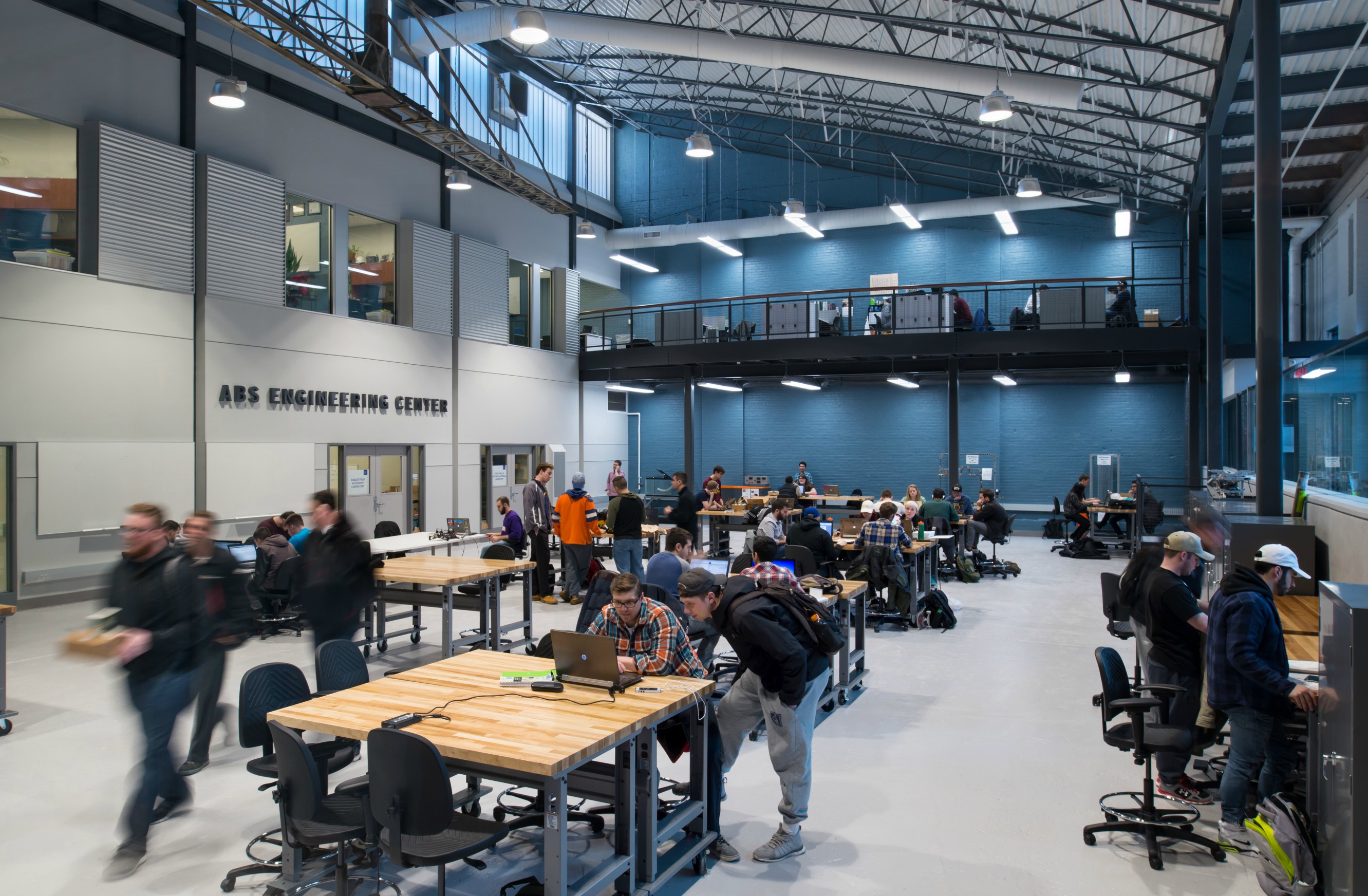
Unlike sprawling state universities, Stevens is intentionally compact. That smaller footprint encourages tight collaboration, high faculty access, and project-based learning that mirrors professional environments. For many students, this structure becomes a competitive advantage rather than a limitation.
Why Stevens Institute of Technology Matters Right Now
The timing of your education matters. In an era defined by automation, cybersecurity threats, AI adoption, and climate challenges, traditional academic models are under pressure. Employers want graduates who can think across systems, communicate clearly, and adapt quickly.
Stevens Institute of Technology sits at a strategic intersection of these demands. Its proximity to New York City connects students to finance, startups, healthcare systems, media companies, and global enterprises. Meanwhile, its academic rigor ensures graduates aren’t just tool users—but system designers and decision-makers.
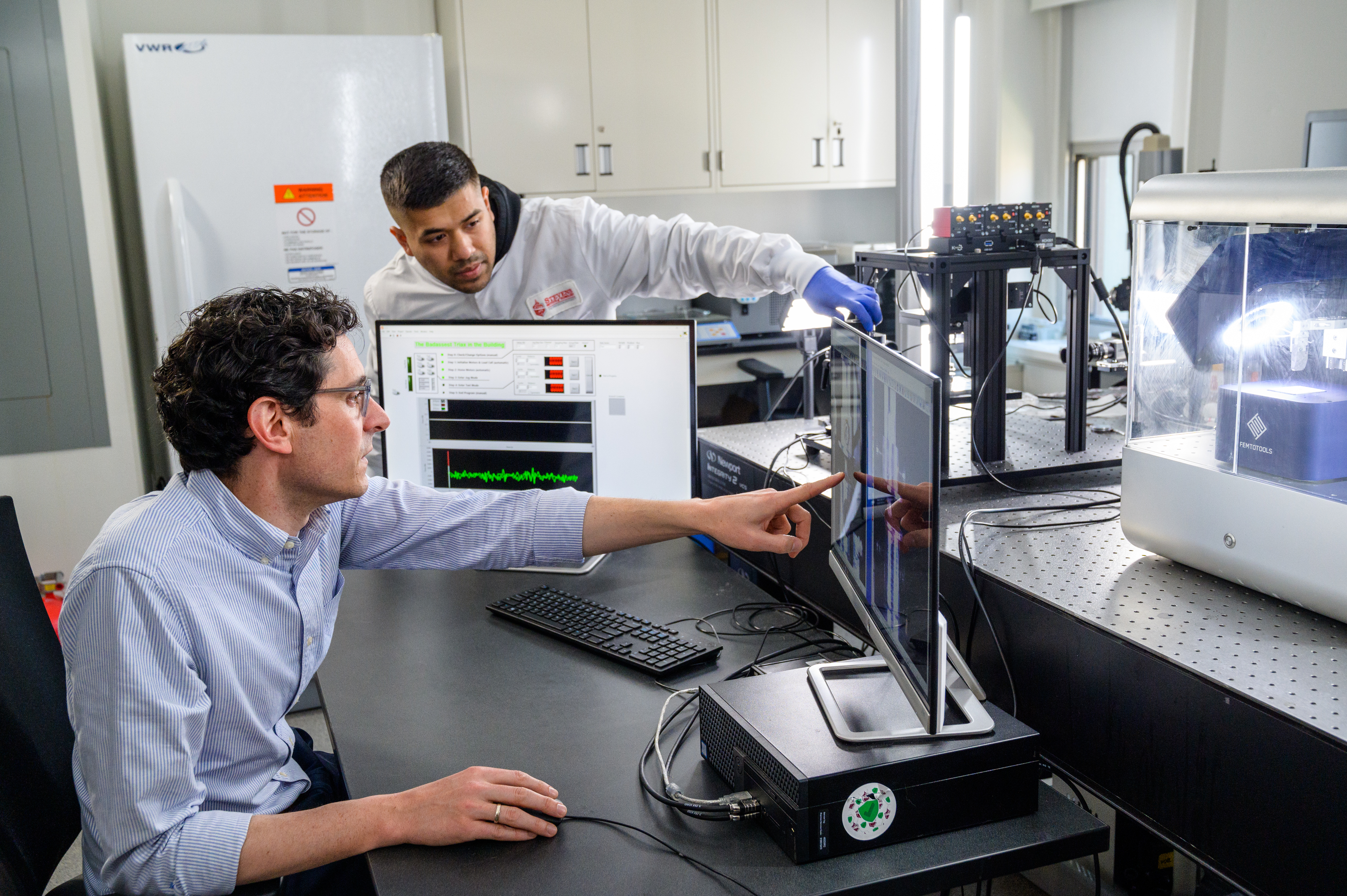
What makes Stevens especially relevant today is its emphasis on experiential learning. Capstone projects, research labs, industry partnerships, and co-op-style experiences are not optional extras; they’re embedded into the learning journey. Students graduate with portfolios, not just transcripts.
For international students, this practical orientation can be especially powerful. Employers value graduates who already understand professional workflows, U.S. workplace culture, and applied problem-solving. Stevens quietly excels at delivering that readiness.
Who Benefits Most from Stevens Institute of Technology?
Stevens isn’t for everyone—and that’s a strength, not a weakness.
Students who thrive here tend to share a few characteristics. They’re curious about how things work, but also why they matter. They’re willing to put in serious academic effort in exchange for strong career leverage. And they prefer environments where collaboration and competence matter more than spectacle.
High school students aiming for engineering, computer science, data science, or quantitative business programs often find Stevens a strong fit. So do career-focused graduate students looking to upskill in areas like cybersecurity, analytics, financial engineering, or systems engineering.
Before Stevens, many students feel uncertain about how classroom learning connects to real jobs. After Stevens, they often leave with internships, industry contacts, and a clearer professional identity. That “before vs. after” transformation is one of the school’s most underappreciated strengths.
Academic Programs and Real-World Applications
Stevens Institute of Technology offers a focused but deep portfolio of programs. Engineering disciplines such as mechanical, electrical, civil, and biomedical engineering form the backbone. Computer science and software engineering programs are particularly well-regarded, reflecting industry demand and faculty expertise.
What’s notable is how often programs intersect. Data science students collaborate with business analytics peers. Engineers work alongside product managers. Financial engineering students engage with computational modeling and risk systems.
In practice, this interdisciplinary approach mirrors how modern companies operate. Problems aren’t siloed, and Stevens trains students accordingly. Graduates enter the workforce already accustomed to cross-functional collaboration, a skill employers consistently rank as critical.
Step-by-Step: How to Succeed at Stevens Institute of Technology
Success at Stevens isn’t accidental. It’s the result of intentional choices made early and reinforced consistently.
First, choose your program strategically. Look beyond titles and examine curricula, capstone requirements, and industry connections. Programs with embedded projects and internships often deliver higher ROI.
Second, engage with faculty. Stevens professors are accessible, but initiative matters. Students who attend office hours, seek research roles, or collaborate on publications gain mentorship that extends beyond graduation.
Third, leverage location. Hoboken’s proximity to NYC is a career accelerator if used well. Networking events, internships, hackathons, and guest lectures are frequent—and often overlooked by passive students.
Finally, build a portfolio. Whether you’re coding, designing systems, or analyzing data, document your work. Stevens rewards applied output, and employers respond to tangible proof of skill.
Tools, Resources, and Expert Recommendations
Stevens provides strong internal resources, from research labs to career services. However, students who combine institutional tools with external platforms tend to outperform peers.
Free tools like GitHub, Kaggle, and Google Cloud credits complement coursework well. Paid platforms such as Coursera or specialized certification programs can fill niche skill gaps. The key is alignment: choose tools that reinforce, not distract from, your academic trajectory.
From an expert perspective, the most effective students treat Stevens as a launchpad, not a finish line. They use its structure, reputation, and network to amplify their own initiative.
Common Mistakes—and How to Avoid Them
One common mistake is underestimating workload. Stevens is rigorous, and time management matters. Students who treat it like a relaxed liberal arts experience often struggle early.
Another pitfall is isolation. Because the campus is small, relationships matter. Students who avoid collaboration miss out on learning, referrals, and support networks.
Finally, some students focus solely on grades. While academic performance matters, employers also care about communication, teamwork, and applied experience. Balance is key.
The Bigger Picture: Career Outcomes and ROI
Stevens Institute of Technology consistently produces graduates with strong placement rates and competitive salaries, particularly in engineering, technology, and analytics roles. Its alumni network, though smaller than massive universities, is tightly connected and professionally active.
Over time, the return on investment becomes clear. Graduates often advance quickly, leveraging both technical depth and systems thinking. For many, Stevens becomes a long-term career multiplier rather than a short-term credential.

Conclusion: Is Stevens Institute of Technology Worth It?
Stevens Institute of Technology isn’t about hype. It’s about capability.
If you’re looking for a university that challenges you, equips you with practical skills, and positions you close to real economic engines, Stevens deserves serious consideration. It rewards effort, curiosity, and ambition—and returns those investments with opportunity, clarity, and professional momentum.
The question isn’t whether Stevens is good. The question is whether you’re ready to use it fully.
FAQs
Admission is competitive, particularly for engineering and computer science programs, but holistic evaluation applies.
Yes. Strong STEM focus, career support, and industry proximity make it attractive globally.
Stevens offers more personalized access and applied learning, while larger schools may offer broader program variety.
For students who leverage internships, projects, and networking, ROI is often strong.
Yes, especially at the graduate level, with flexibility for working professionals.