
A few years ago, I met a young designer backstage at a New York fashion week presentation. She wasn’t loud or flashy. She didn’t talk about “disrupting fashion” or chasing celebrity clients. Instead, she calmly explained how she built her portfolio, landed her first paid internship, and now worked full-time on a design team whose clothes you’ve almost certainly worn. When I asked where she studied, she smiled and said the same three letters that have quietly shaped the modern fashion industry for decades: FIT.
The fashion institute technology conversation matters more today than ever. Fashion is no longer just about sketches and runway dreams. It’s about supply chains, sustainability, data-driven merchandising, digital design, branding, and global commerce. Students, parents, career-switchers, and even working professionals are all asking the same question: where can you actually learn fashion in a way that leads to real jobs, not just Instagram aesthetics?
This guide is written for anyone seriously considering a future in fashion, business, design, or creative technology. If you’re trying to figure out whether FIT is worth your time, money, and energy—or how it compares to other paths—this article is designed to give you honest, experience-based clarity. You’ll learn what FIT really offers, who thrives there, how to approach it strategically, and how to avoid the mistakes that derail many students before they ever graduate.
By the end, you won’t just “know about” FIT. You’ll understand how it fits into the real world, how people actually use what they learn there, and whether it aligns with the career you want to build.
Understanding Fashion Institute Technology From Beginner to Expert Perspective

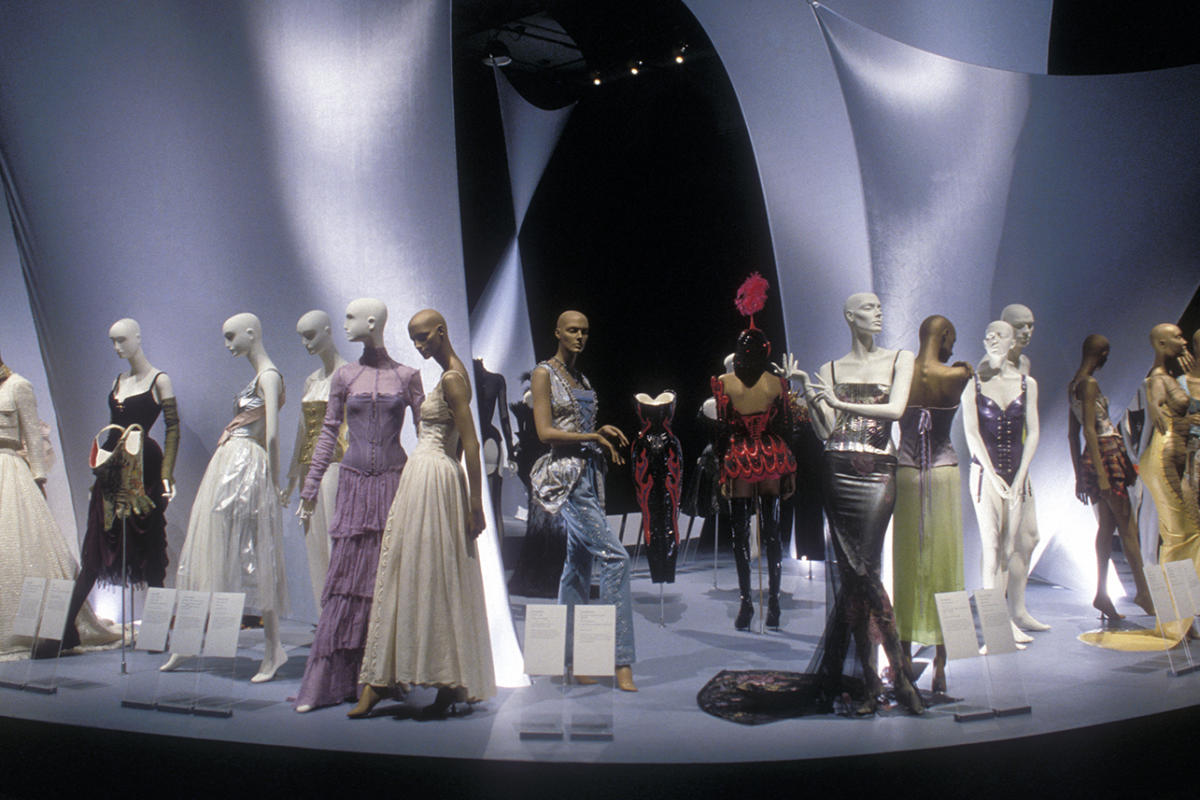
The fashion institute technology is formally known as the Fashion Institute of Technology, a public college located in New York City and part of the State University of New York system. At a surface level, many people think of FIT as simply a fashion design school. That perception is incomplete and often misleading.
At its core, FIT functions more like an ecosystem than a traditional art school. Yes, it trains designers, but it also produces merchandisers, buyers, textile developers, marketers, production managers, illustrators, technologists, and executives. Fashion, after all, is not a single job. It’s a multi-billion-dollar industry with specialized roles that demand both creativity and commercial intelligence.
For beginners, it helps to think of FIT as a bridge between creativity and industry reality. Unlike purely conceptual art schools, FIT places heavy emphasis on application. Students learn how garments are made, priced, sold, marketed, and scaled. A sketch is not just an idea; it’s a product that must function within cost constraints, timelines, and consumer behavior.
As you move into a more advanced understanding, FIT reveals its deeper strength: integration. Design students collaborate with merchandising students. Marketing students work alongside production teams. Textile majors understand how fiber science impacts sustainability goals. This cross-disciplinary approach mirrors how real fashion companies operate, which is why FIT graduates often adapt faster once they enter the workforce.
For experts and industry insiders, FIT is respected because it doesn’t romanticize fashion. It teaches discipline, deadlines, critique, and accountability. That’s why FIT alumni are found not only in design studios, but also in corporate offices, startups, and global brands shaping how fashion actually moves.
Why Fashion Institute Technology Matters in Today’s Fashion Industry
The modern fashion industry is under pressure. Sustainability concerns, digital disruption, fast-changing consumer preferences, and global competition have reshaped what it means to work in fashion. The fashion institute technology matters because it has evolved alongside these shifts rather than resisting them.
One reason FIT remains relevant is its proximity to industry. Being in New York City is not a marketing slogan; it’s a daily advantage. Students intern during the academic year, attend industry talks, visit showrooms, and work part-time in fashion roles while studying. Learning doesn’t stop at the classroom door because the industry is literally outside.
Another reason is FIT’s responsiveness. Programs are regularly updated to reflect real-world changes. Courses in sustainable textile development, digital fashion illustration, e-commerce merchandising, and supply chain transparency are not optional trends—they’re embedded into the curriculum. This ensures that graduates don’t leave with outdated skills.
FIT also matters because it democratizes access to fashion education. As a public institution, it is significantly more affordable than many private fashion schools, especially for New York residents. That affordability has allowed talent from diverse backgrounds to enter an industry historically limited by financial barriers. The result is a more inclusive pipeline of professionals with varied perspectives.
In practical terms, companies trust FIT. Hiring managers know that FIT graduates have been trained under pressure, critiqued rigorously, and exposed to industry standards early. That trust translates into internships, entry-level roles, and long-term career growth.
Who Benefits Most From Fashion Institute Technology
The fashion institute technology is not for everyone, and that honesty is part of its value. It benefits most those who are serious, self-driven, and ready to work within structured creative environments.
Aspiring designers who thrive at FIT are those willing to accept critique, revise constantly, and learn technical precision alongside creativity. Fashion is romantic from afar, but FIT teaches it as a craft and a business. Students who embrace that reality gain a powerful edge.
Business-minded students also benefit immensely. Programs in fashion merchandising, marketing, and management attract individuals who love fashion but also enjoy data, strategy, and consumer psychology. These graduates often move quickly into buying offices, brand strategy teams, and retail leadership roles.
Career switchers are another group that finds value at FIT. Professionals from unrelated fields often enroll to gain targeted, industry-specific skills that can translate into new roles. FIT’s structured programs and industry connections help shorten the transition curve.
On the other hand, those seeking purely abstract art exploration or minimal structure may struggle. FIT is demanding, deadline-driven, and performance-oriented. The payoff is real-world readiness, but only for those prepared to commit fully.
Real-World Use Cases and Career Outcomes
The value of the fashion institute technology becomes most clear when you look at outcomes rather than promises. Graduates apply their skills across a wide spectrum of roles that extend far beyond the runway.
In design, FIT alumni work in womenswear, menswear, activewear, accessories, and technical apparel. Many start as assistants but advance quickly due to their technical competence. They understand patterns, fittings, production timelines, and vendor communication from day one.
In merchandising and buying, FIT graduates analyze sales data, plan assortments, manage inventory, and forecast trends. Their education allows them to balance creativity with profitability, a skill that retailers desperately need.
Marketing and branding graduates use their understanding of fashion culture to craft campaigns, manage social media, and build brand narratives that resonate authentically with consumers. They know fashion language because they’ve lived it.
Textile and sustainability specialists work on fabric innovation, ethical sourcing, and material science. As sustainability becomes a business imperative rather than a buzzword, these roles are growing rapidly.
Before FIT, many students feel unsure about how fashion jobs actually function. After FIT, they understand not just what roles exist, but how to move between them as their careers evolve.
A Practical Step-by-Step Guide to Succeeding at Fashion Institute Technology
Success at the fashion institute technology doesn’t happen by accident. It’s the result of intentional choices made early and reinforced consistently.
The journey begins with choosing the right program. FIT offers multiple degrees, and selecting one based on vague interest rather than career alignment is a common mistake. Research the outcomes of each program and match them to your long-term goals. A love for clothes doesn’t automatically mean fashion design is the right path.
Once enrolled, time management becomes critical. FIT workloads are intense, with multiple projects running simultaneously. Students who plan their weeks, break projects into stages, and avoid last-minute work consistently perform better.
Critique is another defining element. At FIT, feedback is direct and sometimes blunt. Learning to separate personal identity from your work is essential. Students who grow from critique rather than resist it improve faster and earn respect from instructors.
Internships should not be treated as optional extras. They are an extension of the curriculum. Applying early, networking consistently, and choosing roles that align with your learning goals can dramatically improve post-graduation outcomes.
Finally, portfolio development is continuous. Waiting until senior year is too late. The strongest students refine their portfolios every semester, documenting progress and curating work strategically.
Tools, Resources, and Expert Recommendations
The fashion institute technology provides access to tools that mirror professional environments, but knowing how to use them strategically is key.
Design students work with industry-standard software such as Adobe Illustrator, Photoshop, and increasingly 3D design tools. Understanding these platforms is not just about technical skill; it’s about efficiency and communication.
Textile labs and sewing studios allow hands-on experimentation that builds muscle memory and confidence. Students who spend extra time in these spaces often develop a deeper understanding of garment construction.
The FIT Library and the Museum at FIT are underrated resources. The museum’s exhibitions provide historical and cultural context that strengthens conceptual thinking and trend analysis. Regular visits can inspire more thoughtful, informed work.
From an expert perspective, the best tool at FIT is access to people. Professors with industry backgrounds, visiting lecturers, alumni networks, and peers all form a living resource. Engaging actively with this community often matters more than any single piece of software.
Common Mistakes Students Make and How to Avoid Them
Despite its strengths, the fashion institute technology can overwhelm students who approach it unprepared. One frequent mistake is underestimating the workload. FIT is not designed for passive learning. Treating it like a typical college experience often leads to burnout or underperformance.
Another mistake is chasing trends instead of building fundamentals. Fashion changes quickly, but construction, fit, and problem-solving remain constant. Students who master basics outperform those who rely solely on aesthetic trends.
Some students avoid networking due to shyness or fear of rejection. This is costly. Fashion is a relationship-driven industry. Building connections early creates opportunities that skill alone cannot.
Finally, many students fail to articulate their value. Knowing how to talk about your work, explain your process, and present yourself professionally is as important as the work itself. FIT teaches this indirectly, but students must practice it intentionally.
Fashion Institute Technology Compared to Other Fashion Education Paths
When evaluating the fashion institute technology, comparison provides clarity. Private fashion schools often emphasize brand and prestige but come with significantly higher tuition. FIT offers comparable, and often superior, industry preparation at a fraction of the cost.
Traditional universities may offer fashion-related majors, but they often lack the depth, facilities, and industry integration that FIT provides. Conversely, self-taught routes can build skill but rarely offer the structured feedback and credibility that FIT delivers.
FIT sits in a practical middle ground. It combines academic rigor with vocational relevance, making it particularly attractive for those who want tangible outcomes rather than abstract credentials.
The Long-Term Value of a Fashion Institute Technology Education
The true value of the fashion institute technology becomes clear over time. Careers evolve, roles change, and industries shift. FIT graduates often move laterally within fashion, leveraging their broad understanding to adapt.
Many alumni return to FIT later as mentors, adjunct instructors, or collaborators. This ongoing relationship reinforces the school’s role not just as an educational institution, but as a professional anchor.
In an industry known for volatility, FIT provides something rare: a foundation that remains relevant even as trends fade.
Conclusion
Choosing the fashion institute technology is not about chasing glamour. It’s about committing to a demanding, industry-aligned education that prepares you for how fashion actually works. FIT rewards discipline, curiosity, resilience, and strategic thinking.
If you want more than surface-level inspiration—if you want skills, credibility, and access—FIT offers a path that has proven itself repeatedly. The next step is not just applying, but approaching the journey with intention and clarity.
FAQs
No. FIT offers programs in business, marketing, textiles, technology, and management, serving many non-design roles.
Admission varies by program. Design programs are highly competitive, while others focus more on academic readiness and commitment.
FIT does not guarantee jobs, but its internship programs, alumni network, and industry reputation significantly improve placement outcomes.
Yes. As a public institution, FIT is significantly more affordable, especially for New York residents.
Yes. FIT welcomes international students and offers support services for visas and housing guidance.