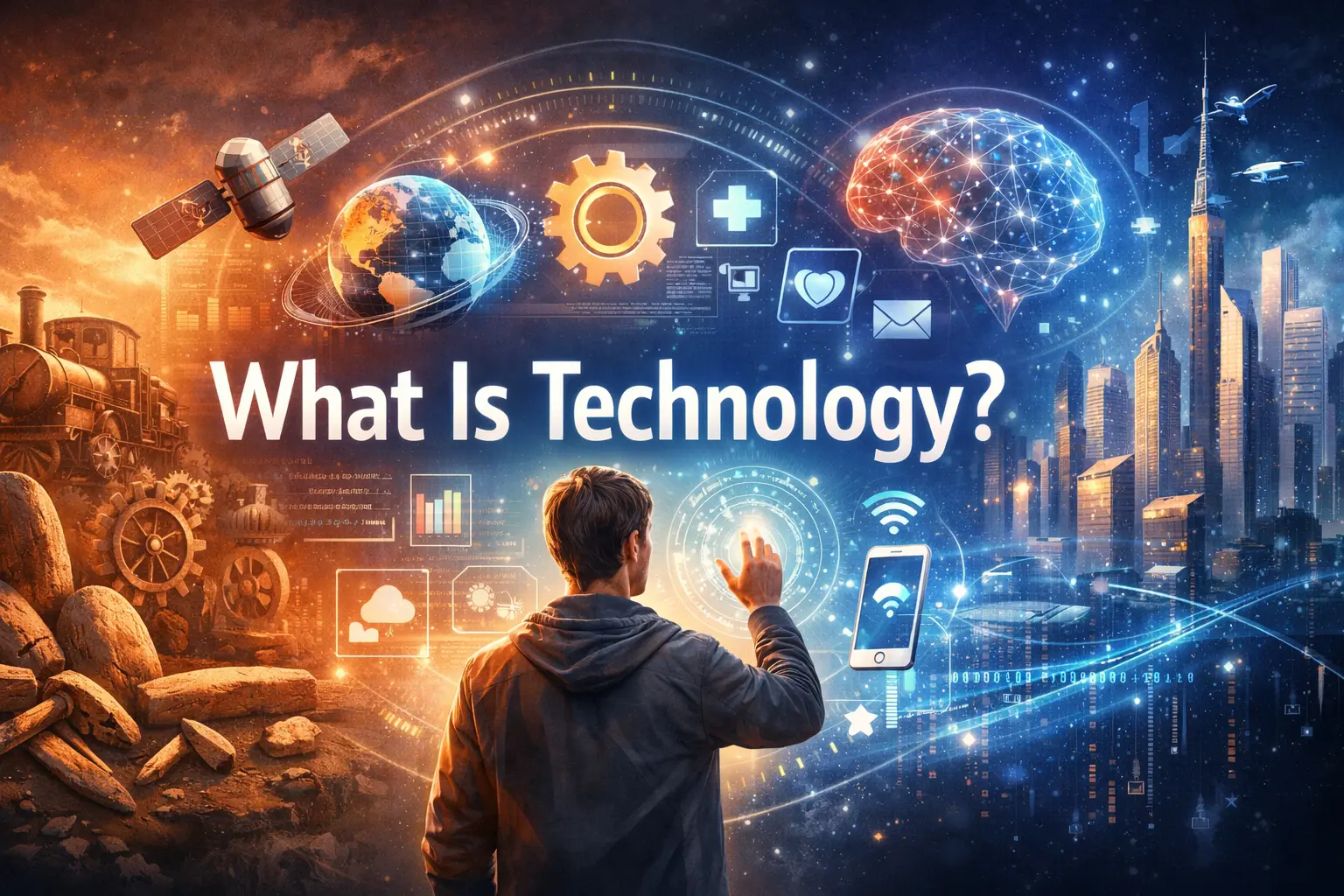
If you pause for a moment and look around, you’ll notice something interesting: almost everything influencing your day—from the alarm that woke you up to the message you read before bed—is powered by technology. Yet despite living inside it, many people still ask a surprisingly simple question: what is technology, really?
I’ve spent years working with businesses, creators, and everyday users who use technology constantly but struggle to define it. Some think it’s just computers. Others reduce it to smartphones, apps, or “AI.” And a few see it as something distant—complex systems built by engineers in glass offices somewhere far away.
The truth is more grounded, more human, and far more practical.
This article is written for curious beginners, professionals trying to future-proof their careers, business owners making strategic decisions, students navigating a tech-saturated world, and anyone who wants clarity instead of buzzwords. By the end, you won’t just understand what technology is—you’ll understand how it works, why it matters, where it goes wrong, and how to use it intentionally.
No hype. No fluff. Just real insight built from lived experience.
What Is Technology? A Clear, Beginner-to-Expert Explanation
At its simplest, technology is the practical application of knowledge to solve problems or improve human life.
That’s it.
Not computers. Not apps. Not robots.
Technology begins the moment humans ask, “How can we do this better?”
The first stone tool was technology. Fire was technology. Writing was technology. The printing press was technology. So are smartphones, cloud computing, and artificial intelligence.
A helpful analogy I often use is this:
Science explains the world. Technology changes it.
Science tells us why lightning happens.
Technology invents the lightning rod.
Technology sits at the intersection of:
- Human needs
- Knowledge (scientific or experiential)
- Tools, systems, or processes that deliver results
As societies evolved, technology evolved with them. Early technologies helped us survive. Modern technologies help us scale—our ideas, our businesses, our reach, and sometimes even our influence.
What separates advanced technology from primitive tools isn’t complexity—it’s impact. A simple spreadsheet that saves a company thousands of hours is more powerful than a complex system no one uses.
The Evolution of Technology: From Survival Tools to Digital Systems


Understanding what technology is also means understanding how it evolved.
1. Survival Technology
Early humans developed tools for hunting, farming, shelter, and protection. These weren’t inventions for convenience—they were necessities. Technology meant survival.
2. Mechanical & Industrial Technology
The Industrial Revolution changed everything. Machines replaced manual labor. Production scaled. Cities grew. Technology became a force multiplier for economies.
3. Electrical & Communication Technology
Electricity, telephones, radios, and televisions compressed time and distance. Information could move faster than people.
4. Digital Technology
Computers, the internet, mobile devices, and software transformed how we work, learn, and socialize. Data became the new fuel.
5. Intelligent & Adaptive Technology
Today’s frontier includes AI, automation, and smart systems that don’t just execute instructions—they learn. Companies like Google and Apple didn’t just create products; they created ecosystems that reshape behavior.
Technology didn’t replace humanity—it amplified it. For better or worse.
Why Technology Matters in Everyday Life (More Than You Realize)
Technology isn’t something you “log into.” It’s something you live inside.
From banking apps to navigation systems, recommendation engines to healthcare diagnostics, technology quietly removes friction from daily life. The most successful technologies are often invisible—they just work.
Before technology:
- Tasks were slower
- Information was scarce
- Errors were harder to detect
- Growth was limited by physical reach
After technology:
- Work is scalable
- Knowledge is democratized
- Opportunities expand globally
- Entire industries are reinvented
But here’s the part most people miss: technology reflects human intent. It can empower, exploit, connect, or isolate—depending on how it’s designed and used.
Benefits of Technology and Real-World Use Cases


1. Business & Productivity
Technology automates repetitive tasks, improves decision-making, and enables remote collaboration. A small startup today can operate globally using tools that didn’t exist 15 years ago.
2. Healthcare
Digital records, telemedicine, diagnostic imaging, and AI-assisted analysis save lives. Technology reduces human error and expands access.
3. Education
Online learning platforms, interactive tools, and global classrooms break geographical barriers. Learning is no longer location-bound.
4. Personal Life
Smart homes, fitness trackers, digital payments, and entertainment platforms make life more efficient and personalized.
Before vs After Technology Example:
Before: Manual bookkeeping, local markets, limited reach
After: Real-time analytics, global sales, automated workflows
The value of technology isn’t theoretical—it’s measurable.
A Step-by-Step Practical Guide to Using Technology Intentionally
Technology works best when it’s chosen, not just adopted.
Step 1: Identify the Problem
Never start with tools. Start with friction. What’s slow, expensive, confusing, or error-prone?
Step 2: Choose Technology That Fits the Context
More advanced isn’t always better. Simple tools often outperform complex systems when adoption matters.
Step 3: Integrate Gradually
Introduce technology in phases. Train users. Collect feedback. Iterate.
Step 4: Measure Outcomes
Did it save time? Reduce cost? Improve accuracy? If not, reassess.
Step 5: Review Regularly
Technology evolves. What worked last year may now be obsolete or inefficient.
This approach applies whether you’re adopting AI tools, business software, or personal productivity systems.
Technology Tools: Free vs Paid, Beginner vs Advanced
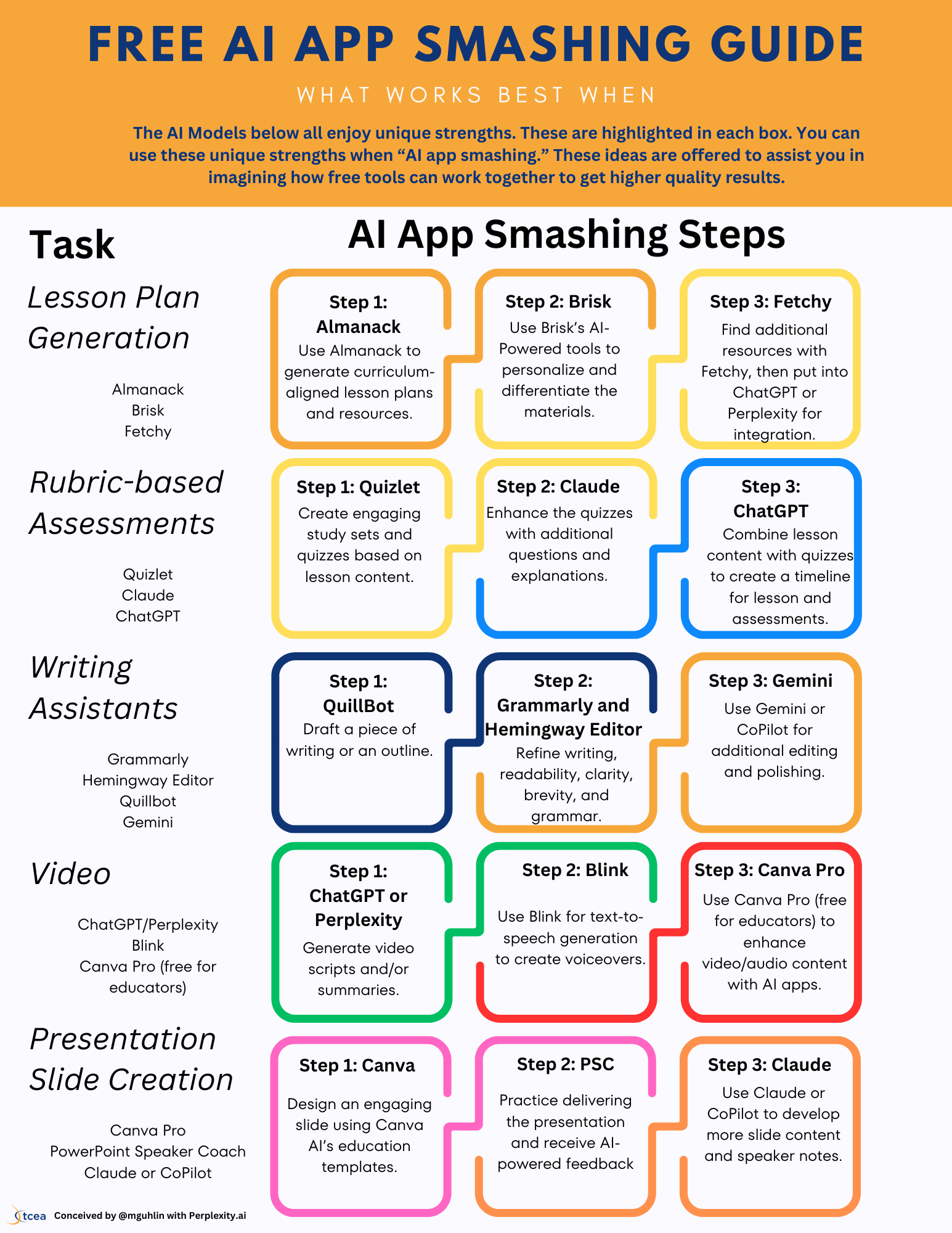
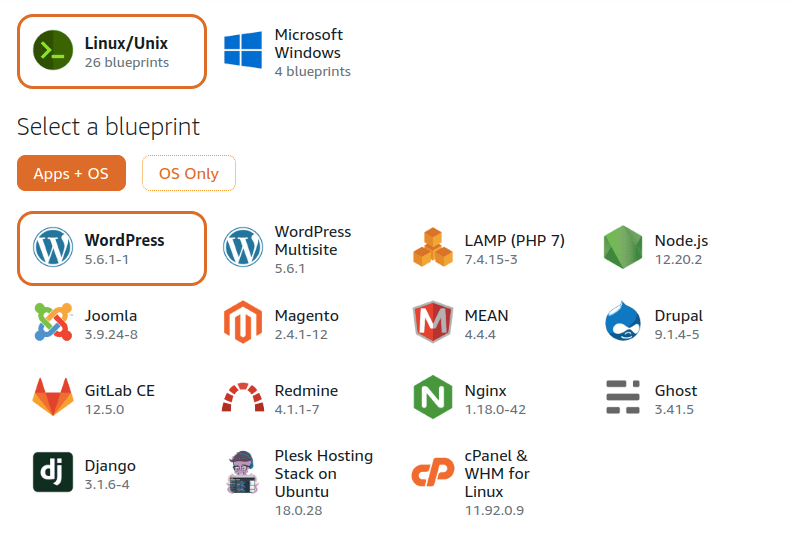
Free Tools
Pros:
- Low risk
- Easy onboarding
- Great for learning
Cons:
- Limited scalability
- Fewer integrations
- Support constraints
Paid Tools
Pros:
- Reliability
- Advanced features
- Better support
Cons:
- Cost
- Learning curve
Expert Insight:
Start free to understand your needs. Upgrade when limitations cost more than the price.
Common Technology Mistakes (And How to Fix Them)
Mistake 1: Adopting Tech Without Strategy
Fix: Define goals before tools.
Mistake 2: Over-Automation
Fix: Keep humans in decision loops.
Mistake 3: Ignoring Training
Fix: Adoption fails without education.
Mistake 4: Chasing Trends
Fix: Focus on outcomes, not headlines.
Technology fails when it’s treated as magic instead of a tool.
The Future of Technology: What Comes Next?
The next era isn’t about more devices—it’s about smarter systems. Expect:
- Context-aware AI
- Human-centric design
- Ethical and regulatory focus
- Seamless integration into daily life
Technology will continue to blur lines between physical and digital—but human judgment will remain central.
Conclusion: So, What Is Technology—Really?
Technology is not machines.
It’s not software.
It’s not innovation for innovation’s sake.
Technology is humanity’s way of turning ideas into impact.
When used intentionally, it amplifies creativity, efficiency, and opportunity. When misused, it creates noise, dependency, and inequality.
The difference lies in how consciously we engage with it.
Your next step isn’t to chase the newest tool—it’s to ask better questions.
FAQs
Technology is using knowledge to solve problems or improve life.
No. Tools, systems, and processes all count—even non-digital ones.
It reshapes communication, work, education, and culture.
It can replace tasks, not judgment or creativity.
Because human needs and competitive pressures evolve constantly.