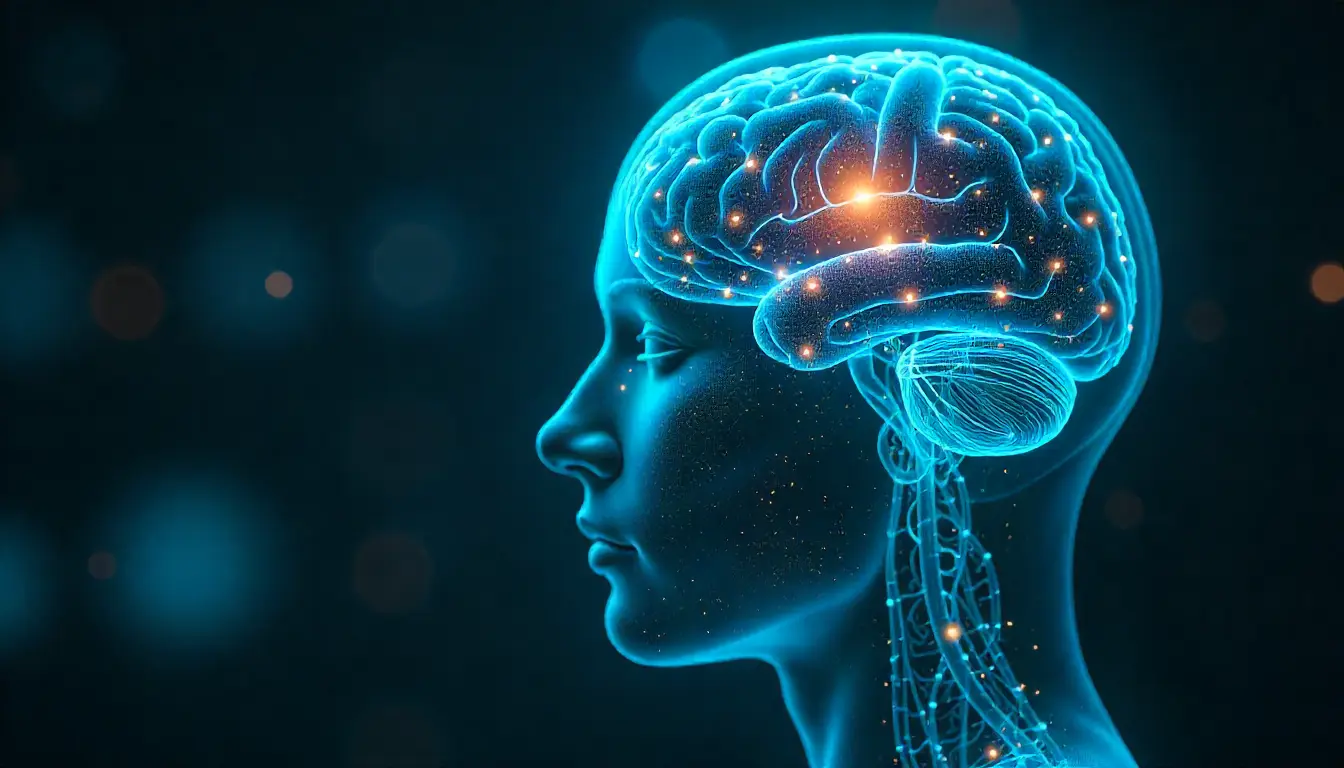
If someone had told me ten years ago that we’d be discussing brain chip technology in everyday conversations—right alongside smartphones and smartwatches—I would have laughed it off as science fiction. And yet here we are. Brain chip technology is no longer a distant idea locked inside research labs or sci-fi movies. It’s being tested in real humans, helping people with paralysis communicate, allowing patients to regain movement, and reshaping how we think about the relationship between humans and machines.
This topic matters because it sits at the intersection of health, ethics, innovation, and human potential. Whether you’re a tech enthusiast, a healthcare professional, a curious reader, or someone directly affected by neurological conditions, understanding brain chip technology gives you insight into a future that is arriving faster than most people realize.
In this guide, I’ll walk you through what brain chip technology actually is, how it works, where it’s already being used, and what the future realistically holds. I’ll also share practical insights, common misconceptions, real-world use cases, and expert-level context—without hype, fear-mongering, or jargon overload.
Brain Chip Technology Explained in Simple Terms
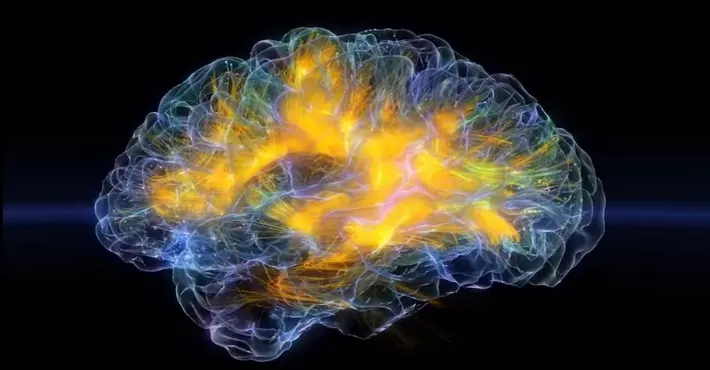
Brain chip technology refers to devices—often called brain–computer interfaces (BCIs)—that are implanted in or placed near the brain to read, interpret, or stimulate neural activity. Think of it as a translator between your brain’s electrical signals and digital systems.
Your brain communicates through tiny electrical impulses. Every movement you make, word you think, or memory you recall involves neurons firing in patterns. Brain chip technology taps into those patterns and converts them into signals that computers can understand—or sends signals back to the brain when stimulation is required.
A helpful analogy is to imagine your brain as a powerful orchestra. Each neuron is an instrument. Brain chip technology acts like a microphone and sound mixer combined, capturing the music and translating it into a format a computer can read.
Some chips only read signals (non-invasive or minimally invasive), while others both read and stimulate neurons (invasive implants). The level of invasiveness often determines precision, risk, and potential benefit.
What’s crucial to understand is this: brain chip technology does not read thoughts like a movie villain’s machine. It decodes patterns associated with specific intentions or actions—like imagining moving a hand or focusing on a letter.
Why Brain Chip Technology Matters Right Now
The timing of brain chip technology isn’t accidental. Several forces have converged at once. Advances in neuroscience have given us better maps of how the brain functions. AI and machine learning have improved signal decoding. Materials science has made implants smaller, safer, and more durable.
Most importantly, real human needs are driving progress. Millions of people live with paralysis, neurodegenerative diseases, spinal cord injuries, and communication disorders. For them, brain chip technology isn’t a novelty—it’s hope.
Governments and regulators are also taking the field seriously. Clinical trials, ethical frameworks, and long-term safety studies are now part of the mainstream conversation rather than an afterthought.
This is the moment where theory becomes practice.
Real-World Benefits and Use Cases of Brain Chip Technology
Brain chip technology shines brightest where it directly improves human lives. The most compelling use cases are medical, and they are already producing measurable results.
Restoring Movement and Communication
For individuals with paralysis, brain chips can detect motor intentions and translate them into actions—such as moving a robotic arm, typing on a screen, or controlling a wheelchair. Patients who once relied entirely on caregivers can regain a sense of independence.
Treating Neurological Disorders
Brain stimulation chips are already being used to treat conditions like Parkinson’s disease, epilepsy, and chronic pain. These implants help regulate abnormal brain activity and reduce symptoms that medication alone cannot control.
Sensory Restoration
Researchers are exploring ways to restore vision and hearing through neural implants. Early trials have shown promise in helping blind patients perceive light patterns and deaf individuals interpret sound signals.
Cognitive and Mental Health Research
Brain chip technology is also opening new doors in understanding depression, PTSD, and anxiety disorders. By observing real-time brain activity, doctors can tailor treatments more precisely than ever before.
Human–Computer Interaction
Beyond healthcare, future applications may include hands-free computing, immersive virtual reality, and accessibility tools for people with disabilities. While enhancement use cases are controversial, assistive applications are widely supported.
Step-by-Step: How Brain Chip Technology Works in Practice
Understanding the process helps demystify the technology and remove unnecessary fear.
First, researchers identify the brain region associated with a specific function, such as movement or speech. Advanced imaging tools like MRI and CT scans guide this mapping.
Next, the chip or electrode array is implanted or positioned near the target area. In invasive procedures, this involves surgery performed under strict clinical protocols. Non-invasive systems may use external sensors instead.
Once in place, the device records neural signals. These signals are raw, noisy, and complex. This is where machine learning comes in. Algorithms are trained to recognize patterns linked to specific intentions.
After decoding, the system translates those signals into commands—typing text, moving a cursor, activating a device. Over time, both the system and the user adapt to each other, improving accuracy and speed.
Best practices include gradual training sessions, constant monitoring, and regular recalibration. Successful outcomes depend as much on patient engagement as on technology.
Tools, Platforms, and Leading Innovators in Brain Chip Technology
Several organizations are shaping the current landscape of brain chip technology, each with a slightly different approach.
Neuralink has drawn massive attention for its high-bandwidth implant designed to both read and stimulate brain activity. While ambitious, it has also sparked important debates around ethics and safety.
BrainGate focuses heavily on restoring communication and movement in paralyzed patients, with years of peer-reviewed research backing its work.
Synchron takes a less invasive approach by delivering implants through blood vessels, reducing surgical risk.
From a regulatory standpoint, bodies like the U.S. Food and Drug Administration play a critical role in approving trials and ensuring patient safety.
When comparing options, invasive systems offer higher precision but come with surgical risks. Non-invasive tools are safer but less accurate. The right choice depends on the application, patient condition, and long-term goals.
Common Mistakes, Myths, and How to Avoid Them
One of the biggest mistakes people make is assuming brain chip technology equals mind control. It doesn’t. These systems respond to voluntary neural signals, not private thoughts.
Another misconception is believing the technology is either fully ready or completely unsafe. The truth lies in between. Some applications are proven and approved, while others are still experimental.
Developers sometimes underestimate the importance of long-term support. Brain chips are not “install and forget” devices. They require updates, monitoring, and ethical oversight.
Patients and families may also expect instant results. In reality, adaptation takes time. Progress is often gradual but meaningful.
Avoiding these pitfalls starts with education, realistic expectations, and choosing clinically validated solutions.
Ethical Considerations and Human Responsibility
No discussion of brain chip technology is complete without ethics. Questions about data privacy, consent, accessibility, and enhancement versus therapy are central to the debate.
Who owns neural data? How do we prevent misuse? Will these technologies widen inequality? These aren’t hypothetical questions—they are being discussed right now by ethicists, regulators, and engineers.
Responsible innovation means prioritizing patient welfare over profit and transparency over hype. The technology must serve humanity, not redefine it without consent.
The Future of Brain Chip Technology: What Comes Next
In the next decade, we can expect smaller implants, wireless systems, and improved decoding accuracy. Medical applications will expand first, followed by assistive consumer tools.
Widespread enhancement use is unlikely in the near term, not because it’s impossible, but because society is still deciding where to draw the line.
What feels certain is this: brain chip technology will quietly integrate into healthcare long before it becomes a consumer trend. And when it does, it will change lives in ways that feel deeply personal rather than flashy.
Conclusion: Why Brain Chip Technology Deserves Thoughtful Optimism
Brain chip technology is neither a miracle cure nor a dystopian threat. It is a powerful tool—one that reflects our values, priorities, and responsibility as a society.
Used wisely, it can restore dignity, independence, and communication to millions of people. Used recklessly, it could deepen divides or erode trust. The path we choose matters.
If you’re curious, skeptical, or hopeful, stay informed. Read clinical studies. Follow ethical debates. And remember that behind every chip is a human story.
FAQs
Primarily for medical applications such as paralysis, neurological disorders, and communication impairments.
Approved systems undergo rigorous clinical trials, but all procedures carry risks that must be carefully evaluated.
No. They decode specific neural patterns related to actions or intentions, not private thoughts.
Some implants are designed for long-term use, but many can be removed or upgraded if necessary.
Regulatory bodies like the FDA oversee clinical trials and approvals.